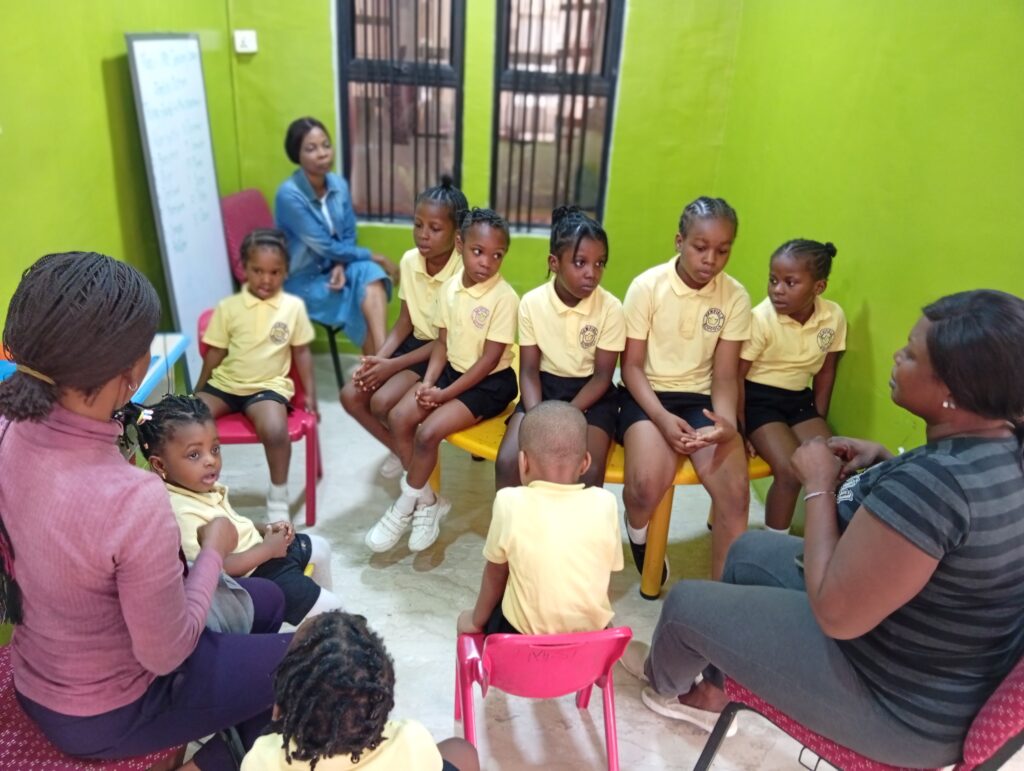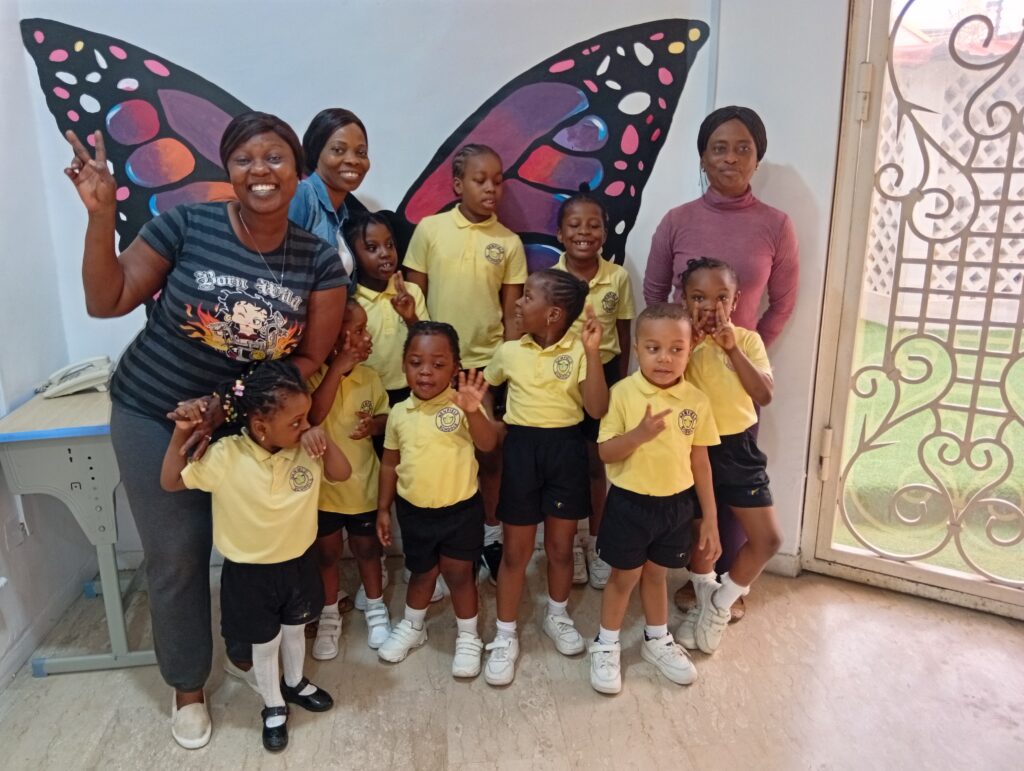
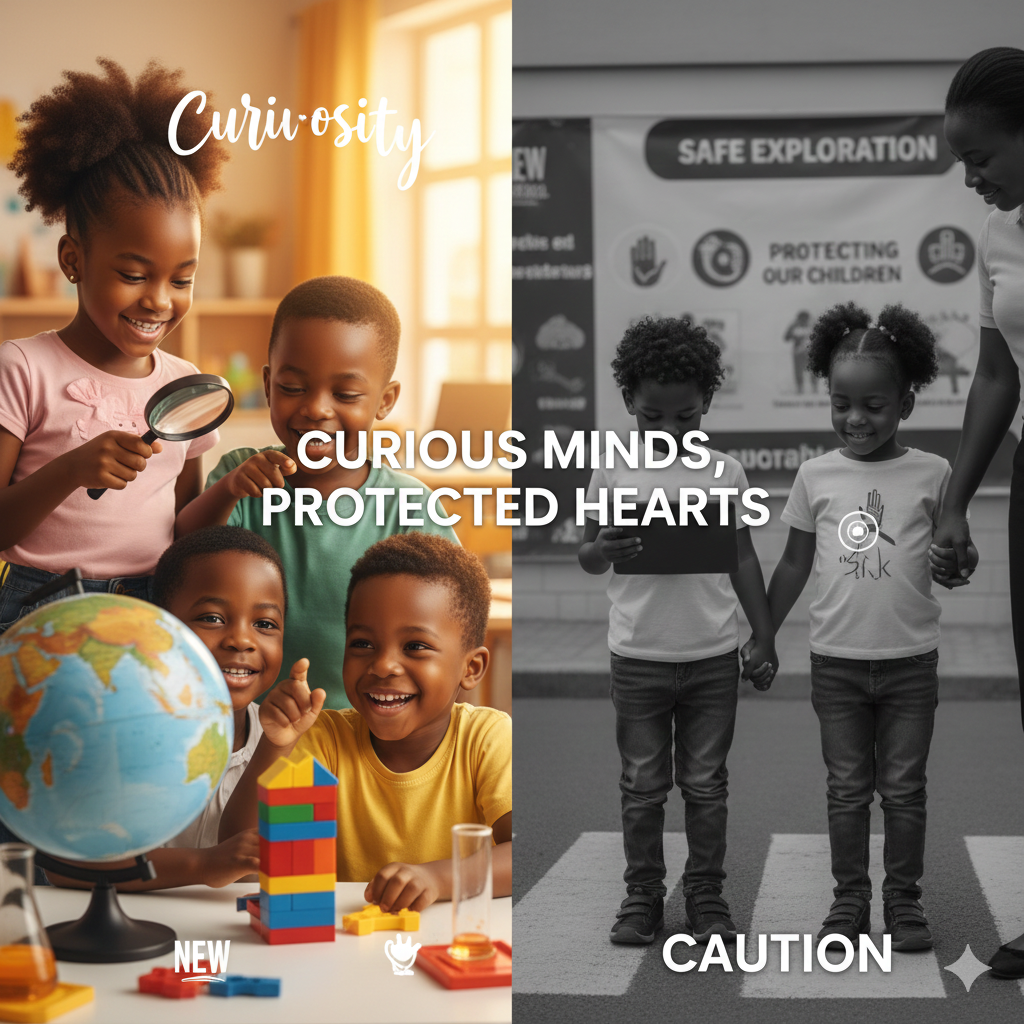
Children are naturally curious. Curiosity is how they learn, explore, question, and grow. A toddler touches everything within reach. School-aged child ask endless “why” questions!! Curiosity is a powerful and necessary part of childhood development.
I daresay,in today’s world, curiosity must be carefully balanced with caution.
Why Curiosity Is Important
Curiosity fuels:
1. Learning and creativity
2. Problem-solving and critical thinking
3. Confidence and independence
4.Social interaction and communication
When children are encouraged to explore in safe ways, they develop resilience, courage, and a love for learning. In Montessori-aligned and child-centred approaches, curiosity is seen as a gift that should be guided( not suppressed).
The Reality of Today’s World
While curiosity opens doors to learning, the world children are growing up in today is very different from the one many parents experienced.
Children now face:
* Online dangers (pornography, violent content, cyberbullying)
* Unsafe interactions with adults or older children
* Peer pressure and exposure to inappropriate language or behaviour
” Physical risks during play, travel, or unsupervised environments
This is where “Be careful” becomes essential. It is not a fearful warning, but as a protective guide.
Teaching Children to Be Curious and Careful
The goal is not to silence curiosity, but to teach safe curiosity.
Parents and educators can:
1. Encourage questions, but provide age-appropriate answers
2. Teach body safety rules and personal boundaries
3. Help children understand “safe” and “unsafe” situations
4. Supervise digital access and talk openly about online safety
5. Model careful behaviour through daily communication and actions
6..Teach children to speak up and report anything that makes them uncomfortable
Parents and guardians, instead of saying only “Don’t do that”, we can say:
“Let me show you a safer way to explore.”
The Role of Adults( parents, guardians, educators )
1. Provision of safe environment: children need safe environments where curiosity can thrive. This means:
* The responsible adults must be present and attentive
* Listen without judging
* Create trust so children feel safe to talk
* Set.clear boundaries with love and consistency
When children feel protected, they explore with confidence rather than fear.
Striking the Right Balance
Curiosity builds the mind. Caution protects the child.
Both are necessary.
As parents ,guardians and educators, our responsibility is to nurture curious minds. We are expected to guard young hearts, bodies, and emotions. When we strike this balance, we raise children who are confident, aware and bold. The children are also wise and stay protected!!
Final Thought
Let us raise children who ask questions, seek knowledge, and explore the world.
They must know when to pause, think, and choose safety.
Curiosity should open doors.
Carefulness ensures children walk through them safely.
” Curiosity kills the cat”. What’s your take on this statement relating it to children who are inquisitive by nature?